Warehouse automation is a significant investment, and stakeholders will want a clear picture of payback before signing off. Here's how to build a credible ROI case.
Start with labor savings
Calculate current labor hours spent on the task you're automating, multiply by fully-loaded hourly cost, then estimate the reduction automation delivers.
Factor in space reclaimed
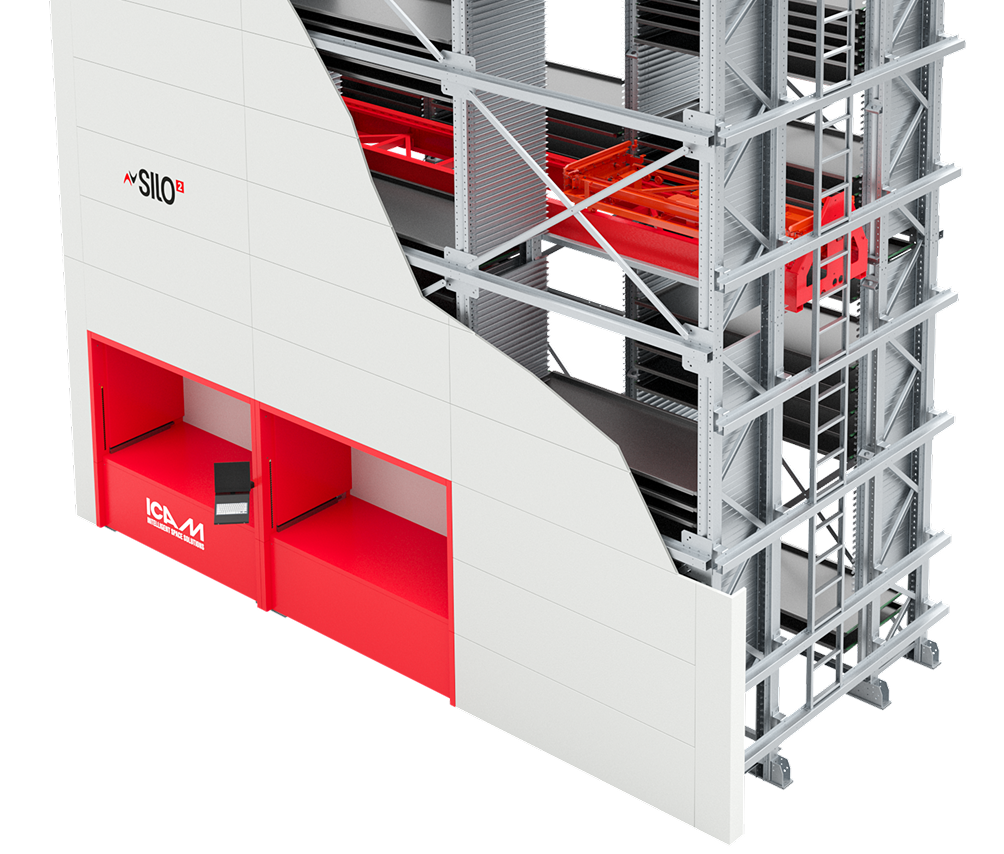
Automated storage systems like VLM and ASRS often free up significant floor space — value that space at your facility's cost per square foot, or the revenue-generating activity it could support instead.
Account for accuracy and throughput gains
Fewer picking errors and faster cycle times translate into fewer returns, less rework, and higher order capacity without adding headcount.
Key cost and savings factors
- Labor cost reduction
- Space reclaimed
- Error and rework reduction
- Throughput capacity gained
- Implementation and maintenance cost
The short answer
A credible ROI case combines labor savings, space value, and throughput gains against total implementation cost — most warehouse automation projects in Singapore pay back within 2-4 years depending on scale.